
Apartheid Underground Nightclubs: A Spot For Inclusivity Amid A Period Of Racial Inequality
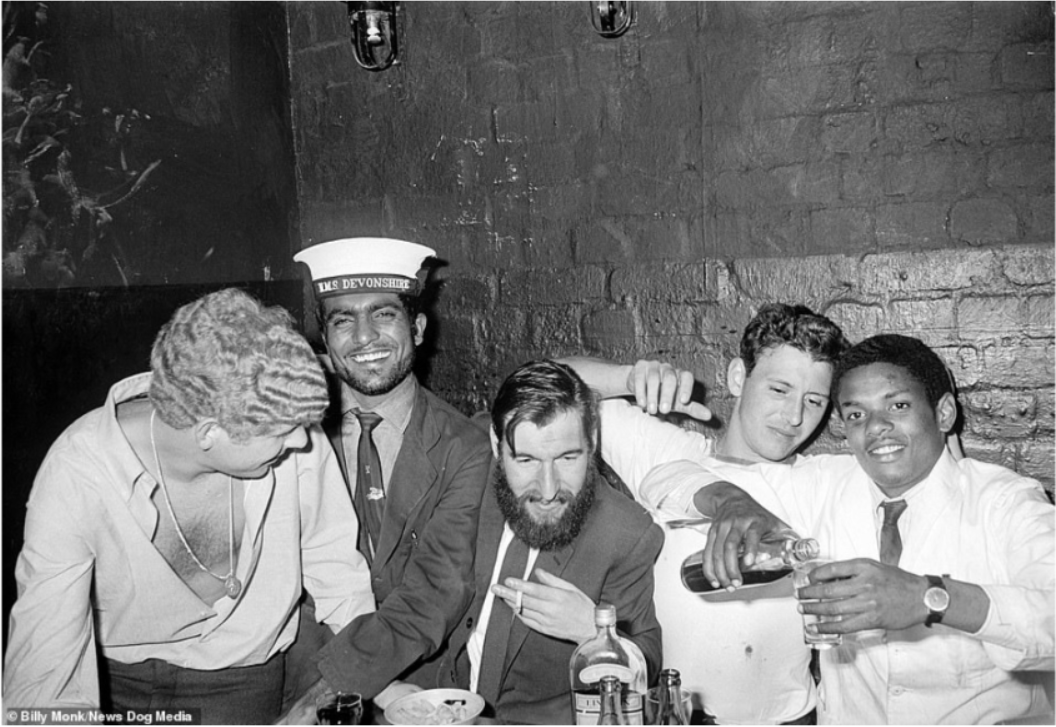
PHOTOS BY BILLY MONK
Many should know by now that the reign of the Apartheid regime from 1948-1994 saw one of the most concerning practices of racial injustice and infringements on basic human rights to date, with the anti-Apartheid movement even having garned worldwide support in its time.
Although Apartheid may have ended almost three decades ago, considering its lasting effects on the country of South Africa, and placing it in comparison to the civil rights efforts in the United States which resulted in black people finally being granted the opportunity to vote in 1965, three decades is not too far back, and Apartheid still remains of vivid memory for many parents and grandparents who were born during that period.
Being based upon the discrimination of non-white persons, with black people being placed at the bottom of the hierarchy, the Apartheid government placed emphasis on the separation of interracial interactions with a number of unjust laws, such as the following: The Prohibition of Mixed Marriages Act (1949), which disallowed interracial marriage between non-white and white people, The Immorality Amendement Act (1950), which disallowed extramarital sex between non-white and white people, and many more.
This part of South African history is well-known to many, and therefore does not need much reciting. It is equally well-known that South Africans maintained resilience until democracy was finally reached in 1994. Nevertheless, despite the brunt of Apartheid-based knowledge and teachings being related to struggle efforts and unjust segregationalism, perhaps one of the most interesting things about the Apartheid era that we rarely see being spoken about, are the spaces of inclusivity that South African citizens created for themselves amid the chaos.
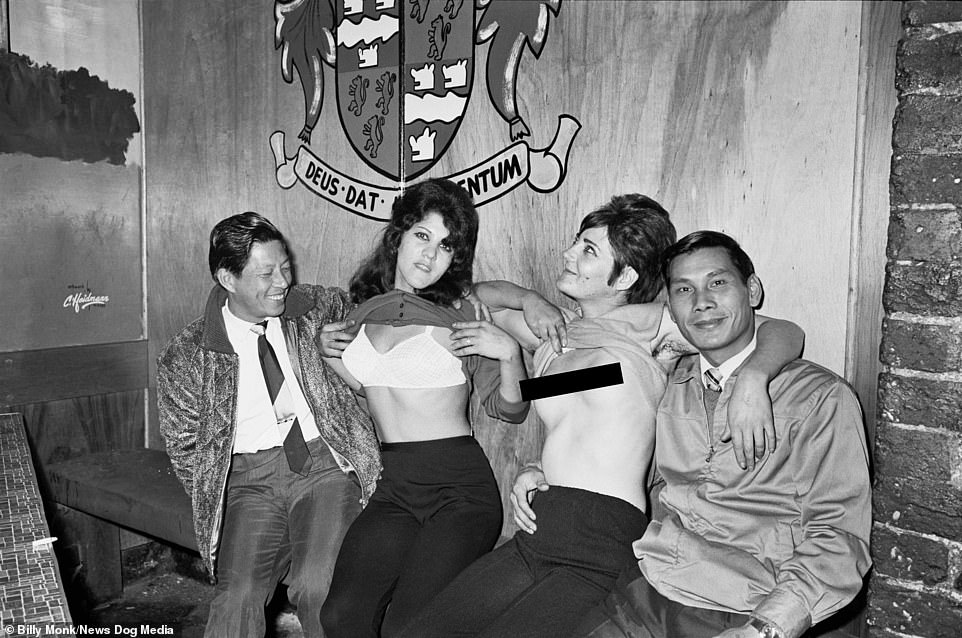
A series of images taken in Apartheid underground night clubs in the 1960s by Billy Monk reveal South Africans of different racial backgrounds going against segregationalist law in these somewhat safe havens for interracial interaction. Underground efforts were not rare during the Apartheid era and were commonly used to perform what was at the time deemed illegal activity.
Political movements would meet underground, political information would be distributed via secret radio stations and media so as not to fall onto the Apartheid government’s radar, and so on. However, what makes these underground night clubs particularly interesting is that there seemed to be no political agenda behind their makeup, and instead seemed only to exist for the sake of enjoyment with fellow South Africans, regardless of race.
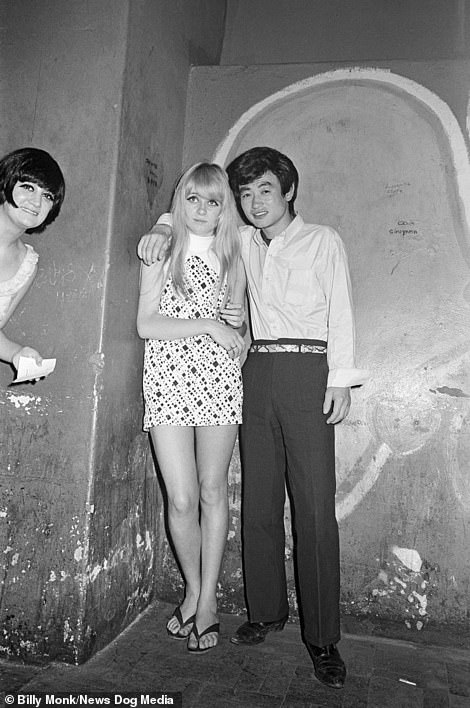
In Monk’s images, citizens are seen in their most unreserved states, enjoying one another’s company and getting heavily intoxicated in the process. Nonetheless, it was still decades to come before this unreserved behaviour could be practiced openly and publicly between different races. Despite this, the documentation of these interracial spaces for personal enjoyment breathes life into the Apartheid citizen, revealing citizens as human beings outside of the struggle as well.
These images also speak to the resilience of the South African citizen. As aforementioned, the Apartheid government passed laws that would essentially make the lives of non-white South Africans that much harder, suppressing their voices and overall freedom to enable the white minority population to wield all of the power. As such, the 1960s saw major oppositional political parties in South Africa being banned and forced either into exile or to continue operations underground.
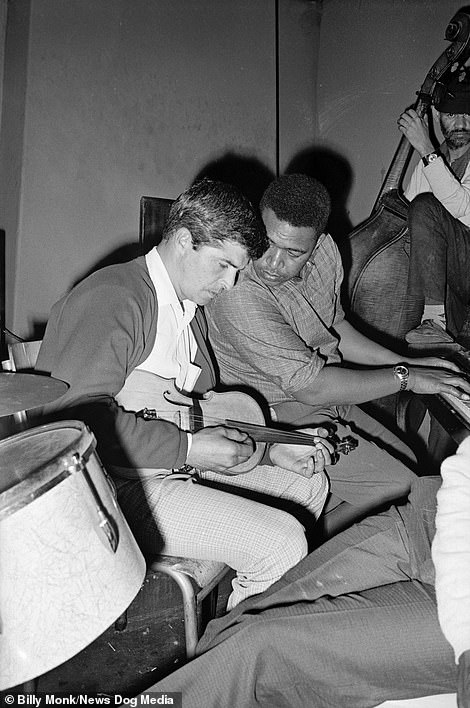
This being the case, on a public front, the movement was perceived to have slowed, which could have dampened the spirits of those forming a part of the struggle, but these night clubs are evidence of the ability for South Africans to have come together in pursuit of enjoyment, knowing that the struggle shall not die.
It is also evidence of white allyship existing in those trying times, which served greatly in the struggle as it dismantled the Apartheid regimes tactics towards segregating races so as not to allow for different races to band together, and it also revealed that citizens of all races could indeed coexist harmoniously.
Related articles:
Featured
 8 Feb 2023Nollywood: An Unexpected Cultural PhenomenonWhether we have paid conscious attention to it or not, Nollywood cinema and its influence on popular culture in the current digital age has been a long-in-the-works phenomenon, which has only very recently received its global due diligence.Read more →
 7 Feb 2023We have never been closer: The Importance of Film Festivals in South AfricaOnce a month, Marvel fans and Twilight fans gather on Twitter to reiterate the impact of watching the Avengers assemble against Thanos and the Cullens face off against the Volturi respectively, live in the theatre. Although the age of streaming has long taken over, we are still a generation that craves to make a connection with what they consume beyond watching.Read more →
 6 Feb 2023Raves, Cyberspace, Sex Tapes and "The Good Old Days": A Retrospective on Y2K & McBling.At 7:32 pm on the 25th of December 1991, the revolutionary red flag of the Soviet Union was lowered from atop the Council of Ministers building in the Kremlin. At 7:45 it was replaced by the Russian tricolor flag above the illuminated dome, as chimes from the Spassky Tower clock rang to mark the momentous occasion.Read more →
 18 Oct 2022The Age of Digital Peeping Toms.THE ACT OF WATCHING OTHERS ENGAGING IN SEXUAL OR NUDE ACTIVITY HAS BEEN AROUND SINCE THE DAWN OF FUCKING.Read more →
 20 Sept 2022The tattooed mouths of Ainu womenTATTOOS HAVE EXISTED ALMOST AS LONG AS THE HUMAN RACE, HAVING BECOME SO POPULARISED IN RECENT YEARS, IT IS EASY TO FORGET THE LONG AND OFTEN SPIRITUAL REASON BEHIND TATTOOING IN MANY CULTURES.Read more →
 20 May 2022EVOLUTION OF PUNK : WHAT BIENG BLACK AND PUNK MEANS IN THE 21ST CENTURYBefore hip hop, punk was the most popular genre of music among young people of certain demographics. At the time, common black folk never really had the chance to explore their interests to really form a huge presence on the imagery in punk, they had much bigger and pressing matters to care and not care about.Read more →
 20 Apr 2022Reddit: The App That Encompasses Everything Right...And Wrong With Social MediaSocial Media has never had a more potent presence in people’s everyday lives as it does in our current age.Read more →
 19 Apr 2022Aesthetic identity in ever-changing creative scenes.Anyone who cares or at least follows any school of art, whether be it music, visual arts, carpentry, sculpting and etc has noticed an aesthetic identity for particular artists. Some artists take it even further and make eras of specific aesthetics.Read more →
 18 Apr 2022THE DEATH OF VJS ; It’s ComingThe general practice of playing music videos on television, termed as vjing, might just be coming to an end.Read more →
 14 Apr 2022Michael Alig: The ‘Club Kid’ Ringleader Turned KillerMUCH OF OUR CURRENT DAY KNOWLEDGE ABOUT THE 1980S CAN BE SUMMED UP IN OUR MODERN AFFINITY FOR NOSTALGIA.Read more →