
Nollywood: An Unexpected Cultural Phenomenon
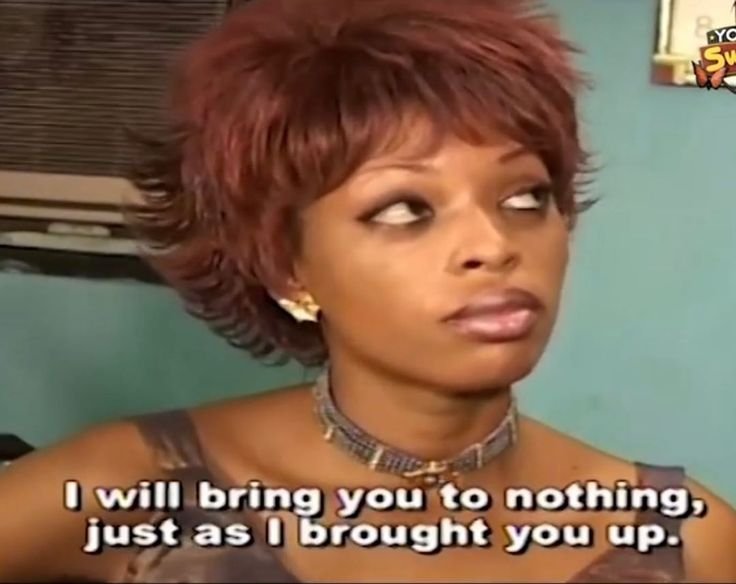
Whether we have paid conscious attention to it or not, Nollywood cinema and its influence on popular culture in the current digital age has been a long-in-the-works phenomenon, which has only very recently received its global due diligence.
As a South African who grew up with Dstv, it does not take much for me to place Nollywood cinema as one of the most prominent memories of my childhood. Whether it was stumbling across the, almost four-hour long classic, Beyonce and Rihanna, or whether I had found myself sitting in a salon chair, having my hair tugged into a protective style, whilst the small tv screen in the corner displayed one of a large selection of Nollywood films, the culture of Nollywood has been ingrained into my life for as long as I can remember.
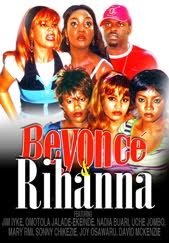
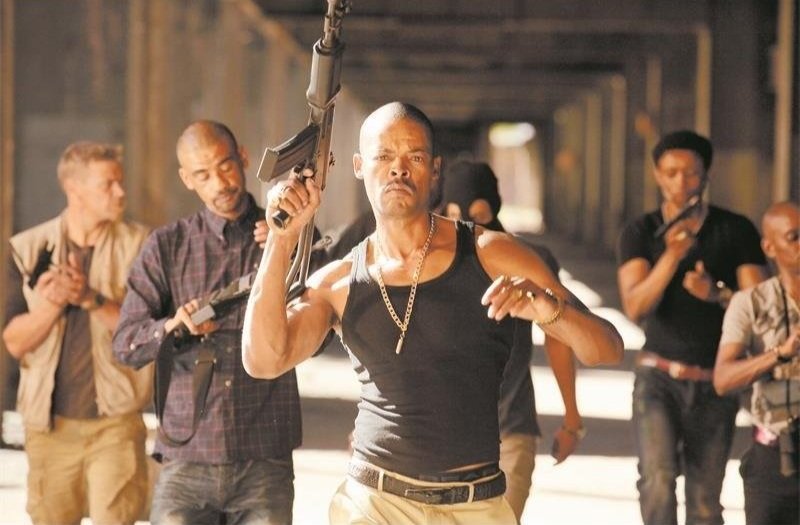
Image by: Mad News UK
However, beyond my small recollection of memories associated with Nollywood cinema, Nollywood as a concept has had and continues to have, greater cultural significance than many of us could have imagined in our youth. With the stronghold that the West and Hollywood influences have had on global pop culture, the fact that Nollywood has managed to emerge as it has in pop culture conversations is a feat on its own.
To better understand the phenomenon that Nollywood has become, we must begin with its origins. Although it is said that Nollywood films have been in production from as far back as the 1960s, it is only in the 1990s that the cinematic industry is said to have come to full fruition. Its cultural explosion is credited with having been prompted by Kenneth Nnebue and Okechukwu Ogunjiofor’s 1992/93 two-part drama/thriller, Living in Bondage (From Nollywood to New Nollywood: the story of Nigeria's runaway success (theconversation.com).
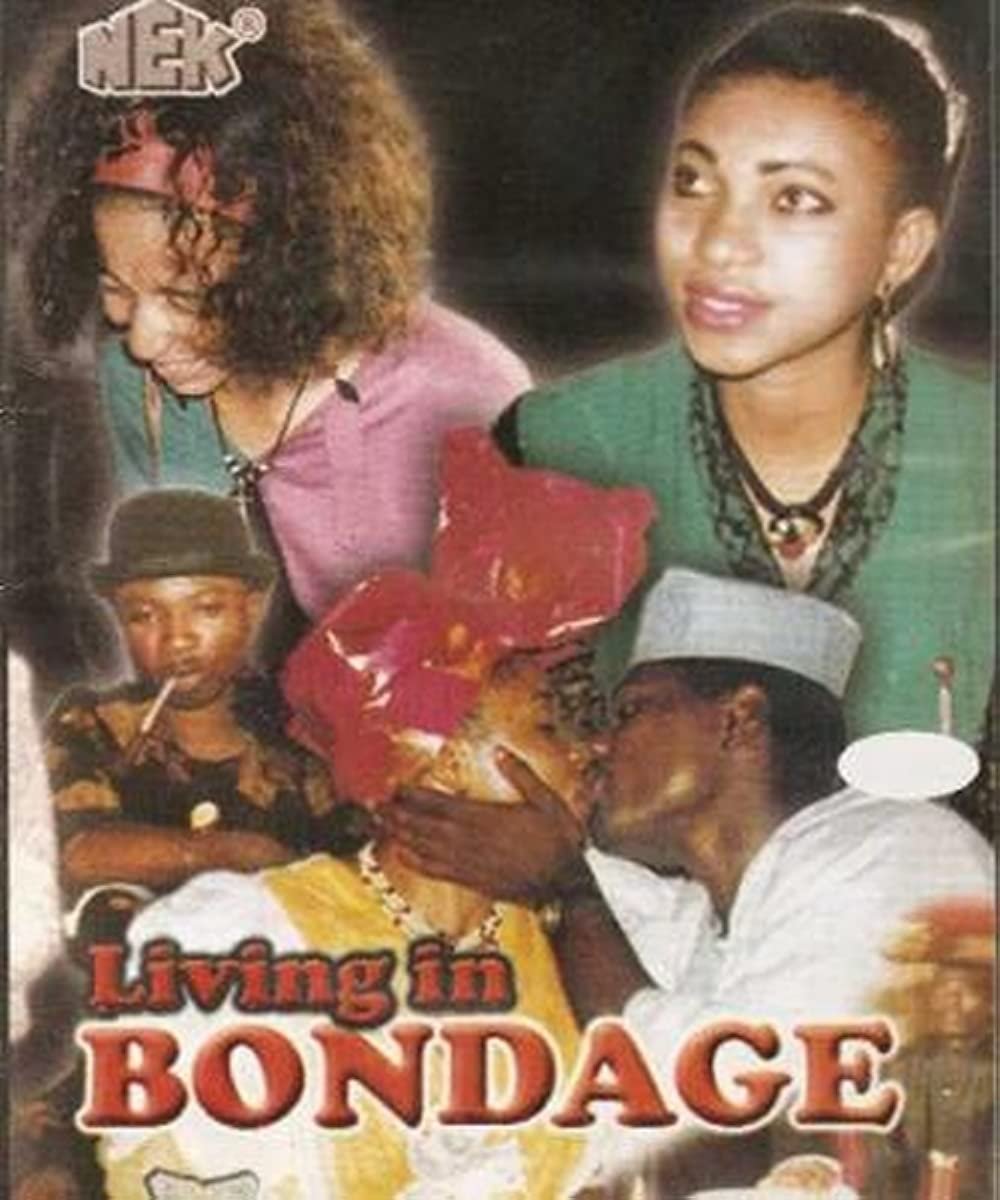
(Living in Bondage) Image from: IMDB
Although this film might have set the precedent for the rise of Nollywood, it by no means forced the industry into a thematic pigeonhole. Though there are undoubtedly more films that have ascribed to the thriller/drama genre in the industry, there are still a wide, unique array of genres and stories to be found within this cinematic schema, all of which are tackled in various languages that cater to different sorts of Nigerian audiences, including Hausa, Yoruba, Igbo and English.
One of the many reasons why the industry has maintained its popularity, comes in, what i believe to be, its counter-Hollywoodness. Although there is no doubt that there are some Western influences, just take the previously mentioned Beyonce and Rihanna film as an example, Nollywood still retains its Nigerian authenticity.
Apart from some modern influences, Nollywood cinema enjoyers can expect to witness a cinematic styling that draws a lot from culture, traditional values and lifestyles, national histories, and societal structures that are characteristic of Nigerian life. Nollywood’s rootedness in Nigerian culture seems to be a part of the reason why Nigerians that form a part of the Nigerian diaspora seem to still remain connected to Nigerian culture. Old research that has continued to be backed up by follow-up interviews, has revealed that members of the Nigerian diaspora tend to spend a large amount of their free time viewing Nigerian video-films with other Nigerians (Why Nigerians living abroad love to watch Nollywood movies (theconversation.com) ).
Another part of the reason why I believe that Nollywood has managed to become the phenomenon that it is today, comes in the sheer amount of content produced by the industry. Not only is Nollywood credited as the first economically self-sustainable film industry in Africa, it is also considered to be the biggest film industry on the African continent (From Nollywood to New Nollywood: the story of Nigeria's runaway success (theconversation.com)).
Finally however, we cannot forget to credit social media culture for retaining the most culturally influential aspects of the Nollywood industry, and in many ways, influencing its resurgence. With the immense popularity of Tiktok, and the relative ease of virality, in recent years, soundbites from various Nollywood films have gained extreme popularity, amassing tens of thousands of videos under their sounds. Anyone who is tapped into internet culture might be familiar with the “why are you running?” sound, which is derived from the 2014 Nigerian film, Pretty Little Liars 1. This particular film has birthed even more popular sounds that have reached virality on the platform.
Though, arguably the most iconic sound to emerge from the Nollywood renaissance, not because of its viral reach, but because of its multi-layered influence, is the “get out of this place, you stink with poverty” clip from the 2006 Girls Cot. Not only did the sound itself gain popularity, but the style exhibited in the film seemingly played a big role in influencing the resurgence of the Nollybabe aesthetic.
In today’s pop culture, the Nollybabe aesthetic, as drawing from the stylings of Nollywood female actresses of the 1990s and early 2000s, sees an emphasis on a sometimes-overlined dark lipstick shade, or glossy lip, mini skirts, thin eyebrows, microbraids and some even more complex braiding and wig styles, and sometimes the feature of furs
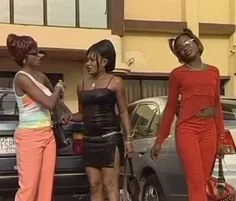
(Nollybabes) Image from: Pinterest
One can look no further than Thelma O’khaz, who is often credited as the original Nollywood ‘cool girl’, for Nollybabe inspiration. This style phenomenon, which has admittedly become a favourite of mine, embraces what might be seen as ‘extra’ in more classical Hollywood spaces, which is why it has played such a major role in setting itself apart from other cinematic conventions, and has cemented itself as an aesthetic from which many creatives have drawn, whether that be incorporating the style as an event theme, or using the visual aesthetic in photography or videography.

(Thelma O’Khaz) Image from: Nollybabes on Tiktok
Another manner in which the Nollywood industry sets itself apart, is in its ability to not shy away from over-the-topness. As can be witnessed in India’s Bollywood industry, Nollywood films also feature a lot of overly dramatic acting and sometimes some absurd visual effects. However, that represents a major part of the appeal of this cinema, as people do not necessarily tune in for a cleancut cinematic masterpiece, though it is not unlikely that they might find a few, but rather, people tune in for the Nollywood experience, which has managed to successfully inhabit itself within a category of its own.
That said, however, the industry seems to be plagued with lax copyright laws that don’t allow for it to reach its fullest potential. Nevertheless, with the digital age making Nollywood more accessible, its reach has taken the interest of platforms such as Netflix, who have acquired a number of Nollywood projects to be distributed on the platform over the last few years. One can only hope now, that this collaboration allows the authenticity of Nollywood productions that many have grown to love, to be retained despite the opportunity for greater global reach presented by the platform (Netflix Naija: creative freedom in Nigeria’s emerging digital space? (theconversation.com).
Related Articles:
Featured
 9 Feb 2023Why are South Africans not watching South African movies? It cannot be denied that South Africa has brought forth several amazing films and productions. From Tsotsi to Jerusalema, South African films have shook the big screen and have been engraved in our minds. With that being said, why is it that we are not watching South African films and movies anymore?Read more →
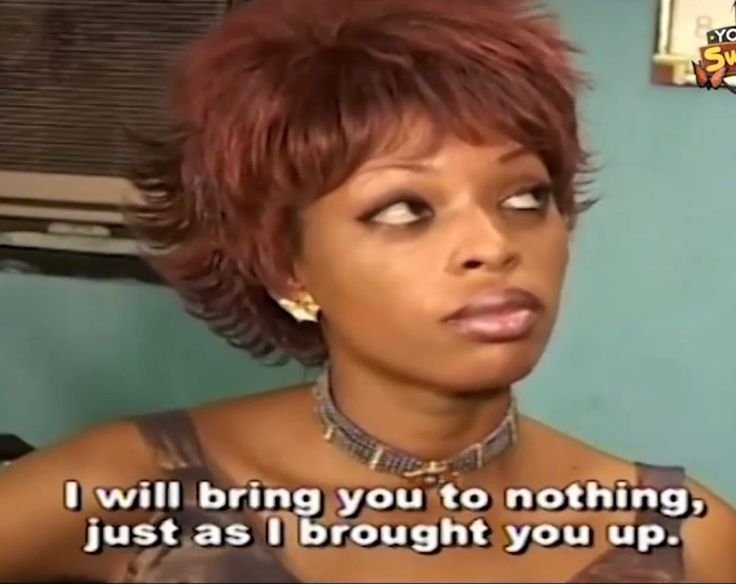 8 Feb 2023Nollywood: An Unexpected Cultural PhenomenonWhether we have paid conscious attention to it or not, Nollywood cinema and its influence on popular culture in the current digital age has been a long-in-the-works phenomenon, which has only very recently received its global due diligence.Read more →
 7 Feb 2023We have never been closer: The Importance of Film Festivals in South AfricaOnce a month, Marvel fans and Twilight fans gather on Twitter to reiterate the impact of watching the Avengers assemble against Thanos and the Cullens face off against the Volturi respectively, live in the theatre. Although the age of streaming has long taken over, we are still a generation that craves to make a connection with what they consume beyond watching.Read more →
 6 Feb 2023Raves, Cyberspace, Sex Tapes and "The Good Old Days": A Retrospective on Y2K & McBling.At 7:32 pm on the 25th of December 1991, the revolutionary red flag of the Soviet Union was lowered from atop the Council of Ministers building in the Kremlin. At 7:45 it was replaced by the Russian tricolor flag above the illuminated dome, as chimes from the Spassky Tower clock rang to mark the momentous occasion.Read more →
 20 Oct 2022Love Jones: A Pioneer In Cinematic Representations of the Black ExperienceBlack cinema has historically been oversaturated with depictions of struggle and suffering, and although I can recognise the importance of such representations, I find portrayals of blackness wherein black people occupy typically white spaces, through depictions of the ordinary, to be a more powerful resistance to the restrictions of white cinema.Read more →
 18 Oct 2022LONELINESS IN THE BIG CITY: THE BRILLIANCE OF WONG KAR WAI FILMSWong Kar-wai is a Hong Kong film director, screenwriter and producer who is often lauded as one of the greatest filmmakers of all time for his atmospheric and non-linear narrative films. But what separates his work from the rest of the artsy films that have beautiful images of sunsets but lackluster stories? The pure and raw emotion. Read more →
 18 Oct 2022The Age of Digital Peeping Toms.THE ACT OF WATCHING OTHERS ENGAGING IN SEXUAL OR NUDE ACTIVITY HAS BEEN AROUND SINCE THE DAWN OF FUCKING.Read more →
 20 Sept 2022The tattooed mouths of Ainu womenTATTOOS HAVE EXISTED ALMOST AS LONG AS THE HUMAN RACE, HAVING BECOME SO POPULARISED IN RECENT YEARS, IT IS EASY TO FORGET THE LONG AND OFTEN SPIRITUAL REASON BEHIND TATTOOING IN MANY CULTURES.Read more →
 1 Sept 2022The African Film Industry Is Not DeadOVER RECENT YEARS, FILMS IN AFRICA, ESPECIALLY IN THE SOUTH AFRICAN FILM MARKET, HAVE BEEN DISCREDITED AS A CONSEQUENCE OF THEIR ATTEMPTS TO MIMIC TRIED AND TRUE HOLLYWOOD FILM TECHNIQUES, INSTEAD OF DEPICTING STORIES UNIQUE TO THE AFRICAN LANDSCAPE. I HAVE, HOWEVER, RECENTLY COME TO UNCOVER A GOLDMINE OF INDEPENDENT AND CINEMATICALLY IMPRESSIVE, UNIQUE AFRICAN FILMS IN A SPACE THAT I WOULD HAVE LEAST EXPECTED TO.Read more →
 23 Aug 2022The death of slapstick comedy The Slapstick comedy genre arose alongside the growing silent-film industry of early Hollywood, with Chaplin-esque films garnering great popularity. Yet, despite the genre continuing to be reproduced over the decades, its relevance and reach have slowly fizzled out.Read more →
 20 May 2022EVOLUTION OF PUNK : WHAT BIENG BLACK AND PUNK MEANS IN THE 21ST CENTURYBefore hip hop, punk was the most popular genre of music among young people of certain demographics. At the time, common black folk never really had the chance to explore their interests to really form a huge presence on the imagery in punk, they had much bigger and pressing matters to care and not care about.Read more →