
The death of slapstick comedy
Britannica.com
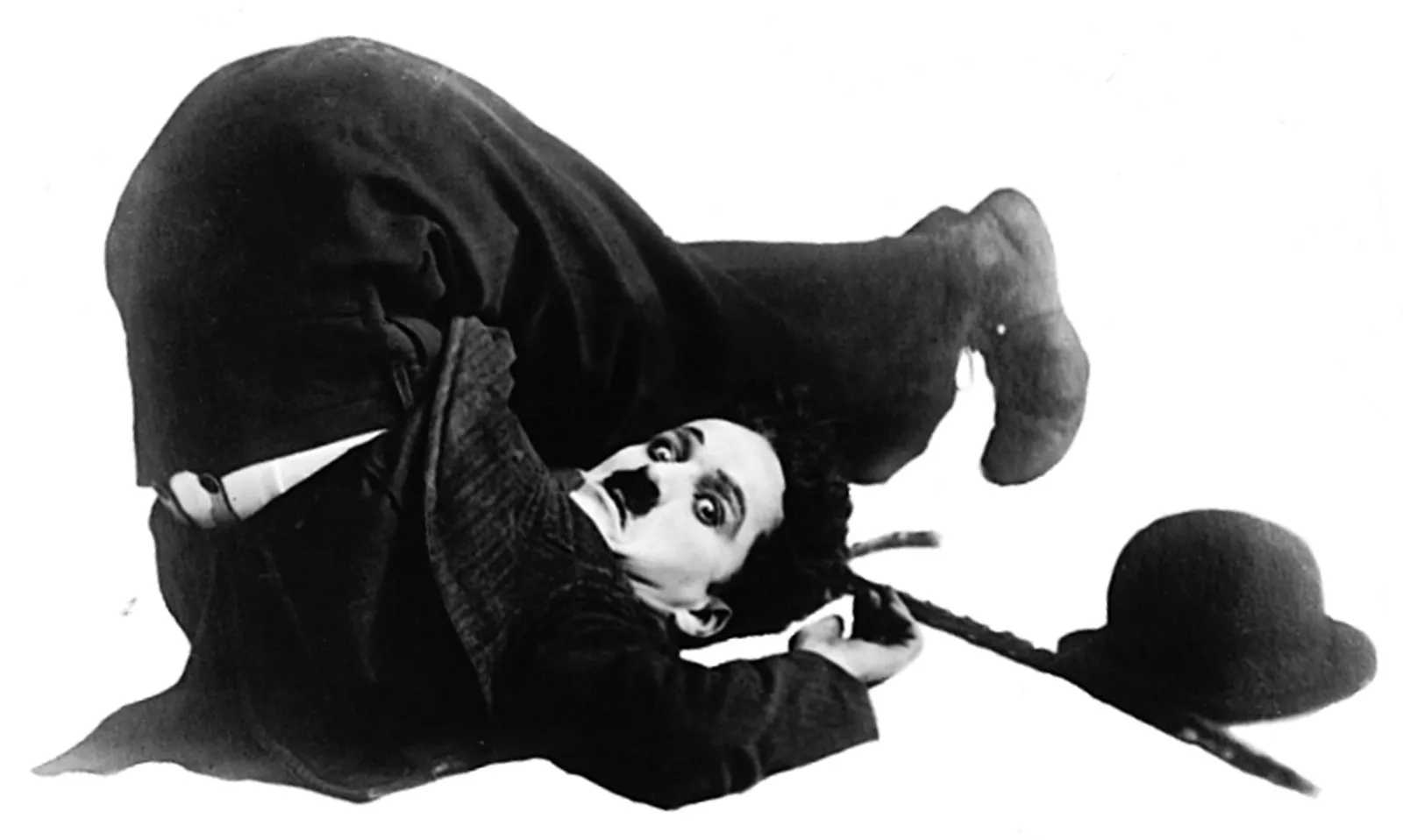
The Slapstick comedy genre arose alongside the growing silent-film industry of early Hollywood, with Chaplin-esque films garnering great popularity. Yet, despite the genre continuing to be reproduced over the decades, its relevance and reach have slowly fizzled out.
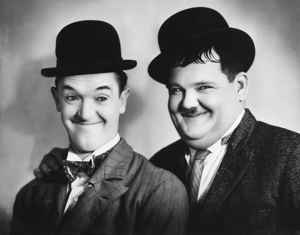
The slapstick comedy genre thrived in the silent film era, with the lack of diegetic audio making it so that actors had to communicate with its audiences through, large, often exaggerated physical acting. It is during this period that productions by the likes of Charlie Chaplin, Buster Keaton, Laurel and Hardy, and more, thrived.The genre was typically characterised by its main characters often representing individuals who exemplified the opposite of the Classical Hollywood leading man. These characters would find themselves in all sorts of outrageous situations, often involving extreme instances of violence that were downplayed by the zany comedic stylings of the films.
Having attempted to watch some silent-era slapstick films myself, a century after the genre's popularity pinnacle, I have found that its over-the-top humour does not necessarily hold up any longer, at least for me. However, that is not to discredit the slew of physically comedic actors that shot to fame in this period, putting their bodies on the line in the name of entertainment.
Discogs.com
Although I might not favour the original slapstick comedy approach, I believe the 2000s era of physical comedy or mild slapstick comedy, adapted the genre in ways that remain relevant, even if only for their nostalgia, still capturing young audiences that might have been too young to enjoy them when they had initially come out, whilst still remaining enjoyable for the now-adults who first viewed the films in their youth.
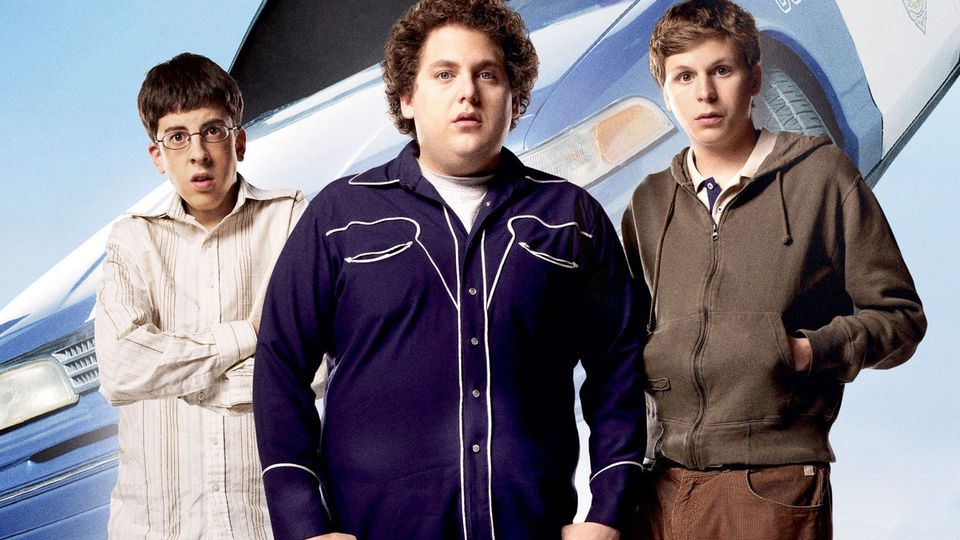
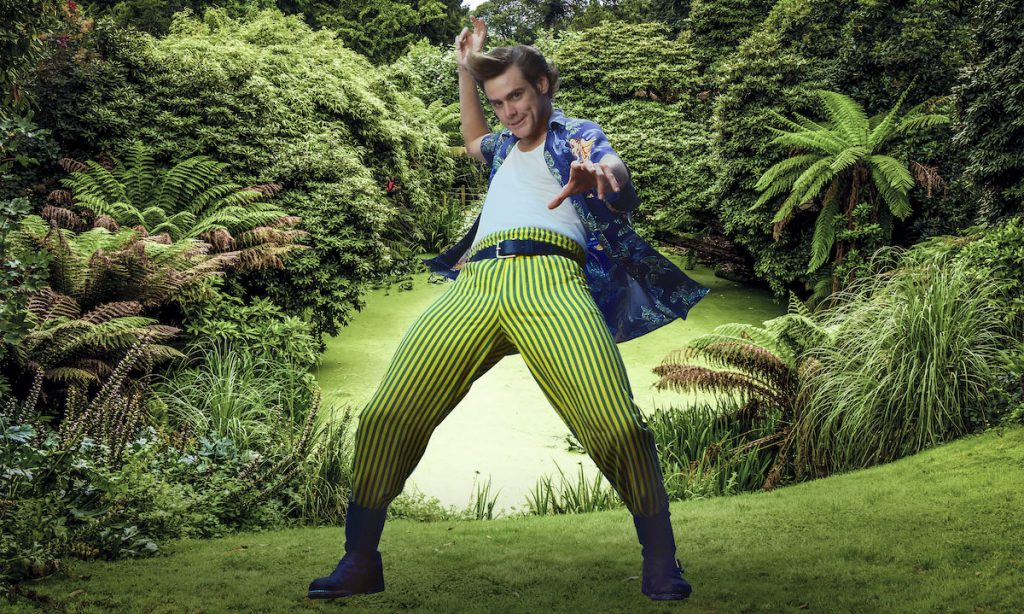
These films I speak of fit more greatly into the Jim Carey, Jonah Hill, Michael Cera, Will Ferrell and Seth Rogen comedy film era, with honourable mention of the Mr. Bean series which may have been subconsciously ingrained into our young minds in the 2000s whether or not we chose to watch it, despite its initial release in the early 1990s. Granted, films like Superbad (2007) and the likes are not too old as of yet, and may very well lose their relevance as the comedy genre continues to evolve, nevertheless, at least in my personal experience, the comedy in these films still tend to resonate.
empireonline.com
However, beyond the late 2000s and early 2010s, it seems the genre has lost its traction, and whatever attempts have been made to revive it have relied on the nostalgia of its formers, rather than the creation of newer, unique content. Apart from a noticeable lack of originality, the genre’s death could have to do with more than just this lack of creative content, and may perhaps also be suffering from a lack of demand for such zany comedies that do not force its audiences to search for some or other deeper meaning or lesson.
imdb.com
I, for one, would not be opposed to new releases out of the slapstick comedy film genre, not for any particular reason other than getting the chance to ogle at the ridiculous circumstances of such films. However, I do understand how the often convoluted plot points, which in the real world might be easily resolved, but in the name of comedy, are resolved in the most long-winded and absurd of ways, can sometimes be unappealing to the viewer, speaking from my own experience.
Furthermore, advancements in film vocabulary, and the development of film as even an academic pursuit to be analysed and critiqued, might also ward viewers off from watching films that are seemingly senseless, or which might not impart much meaning. After all, it is no secret that zany, senseless comedy does not always fare well with critics, however, that is not to say that some of these films have not received their due credit.
Discogs.com
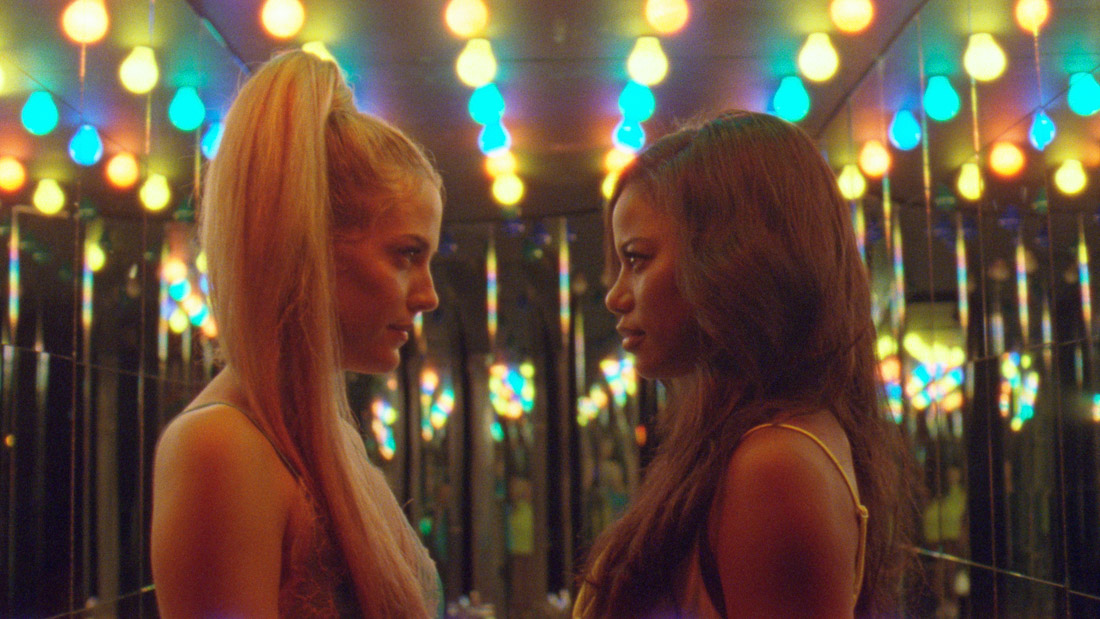
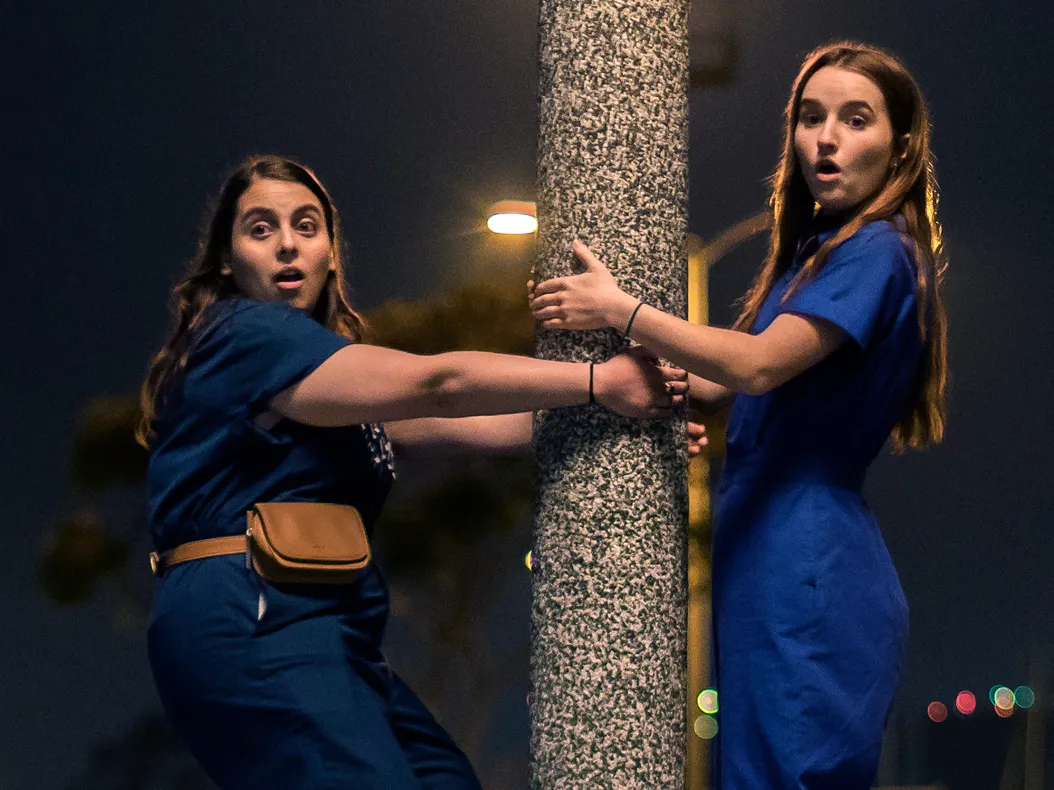
Ultimately, considering the risks that a modern-day attempt at slapstick comedy might produce, it is somewhat understandable that the appeal of the genre has fizzled out over the years. However, I do think we can still be consoled with the continued release of what I would deem “clever” comedy forms, including films like Booksmart (2019), Goodboys (2019), Hunt for The Wilderpeople (2016) and other Taika Waititi films, Zola (2021), and many more cleverly written and directed films that have still managed to induce bouts of laughter in myself, and many other viewers.
Newyorker.com
Related articles:
Featured
 9 Feb 2023Why are South Africans not watching South African movies? It cannot be denied that South Africa has brought forth several amazing films and productions. From Tsotsi to Jerusalema, South African films have shook the big screen and have been engraved in our minds. With that being said, why is it that we are not watching South African films and movies anymore?Read more →
 8 Feb 2023Nollywood: An Unexpected Cultural PhenomenonWhether we have paid conscious attention to it or not, Nollywood cinema and its influence on popular culture in the current digital age has been a long-in-the-works phenomenon, which has only very recently received its global due diligence.Read more →
 7 Feb 2023We have never been closer: The Importance of Film Festivals in South AfricaOnce a month, Marvel fans and Twilight fans gather on Twitter to reiterate the impact of watching the Avengers assemble against Thanos and the Cullens face off against the Volturi respectively, live in the theatre. Although the age of streaming has long taken over, we are still a generation that craves to make a connection with what they consume beyond watching.Read more →
 20 Oct 2022Love Jones: A Pioneer In Cinematic Representations of the Black ExperienceBlack cinema has historically been oversaturated with depictions of struggle and suffering, and although I can recognise the importance of such representations, I find portrayals of blackness wherein black people occupy typically white spaces, through depictions of the ordinary, to be a more powerful resistance to the restrictions of white cinema.Read more →
 18 Oct 2022LONELINESS IN THE BIG CITY: THE BRILLIANCE OF WONG KAR WAI FILMSWong Kar-wai is a Hong Kong film director, screenwriter and producer who is often lauded as one of the greatest filmmakers of all time for his atmospheric and non-linear narrative films. But what separates his work from the rest of the artsy films that have beautiful images of sunsets but lackluster stories? The pure and raw emotion. Read more →
 1 Sept 2022The African Film Industry Is Not DeadOVER RECENT YEARS, FILMS IN AFRICA, ESPECIALLY IN THE SOUTH AFRICAN FILM MARKET, HAVE BEEN DISCREDITED AS A CONSEQUENCE OF THEIR ATTEMPTS TO MIMIC TRIED AND TRUE HOLLYWOOD FILM TECHNIQUES, INSTEAD OF DEPICTING STORIES UNIQUE TO THE AFRICAN LANDSCAPE. I HAVE, HOWEVER, RECENTLY COME TO UNCOVER A GOLDMINE OF INDEPENDENT AND CINEMATICALLY IMPRESSIVE, UNIQUE AFRICAN FILMS IN A SPACE THAT I WOULD HAVE LEAST EXPECTED TO.Read more →