
Why are South Africans not watching South African movies?
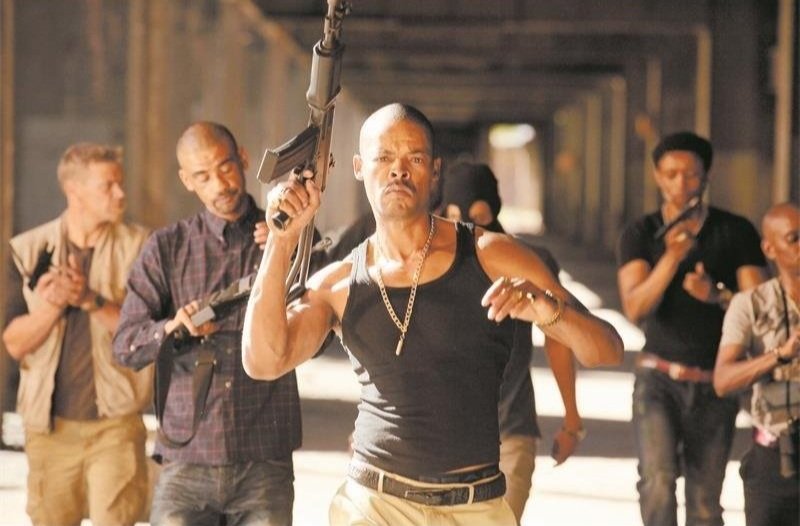
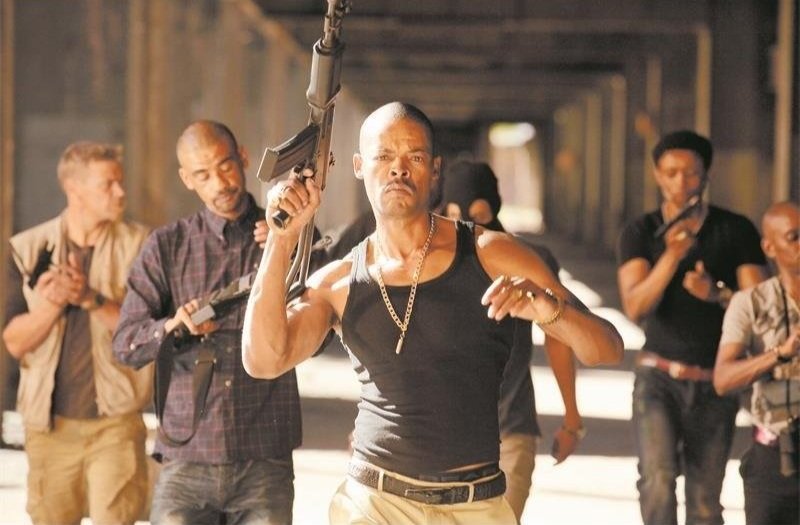
It cannot be denied that South Africa has brought forth a number of amazing films and productions. From Tsotsi to Jerusalema, South African films have shook the big screen and have been engraved in our minds. With that being said, why is it that we are not watching South African films and movies anymore?
It can be argued that the golden age of South African film was around the late 90s into the 2000s. In this period a new generation of young actors came to the fore. This era was also heavily motivated by the recent post-apartheid nature of the period. In this period, several writers and directors infused an air of revolution and insurrection within the plot and overall theme of the productions. The characters in these films were developed to be the offspring of exiled or imprisoned freedom fighters and anti-apartheid politicians. This gave heavy depth and substance to the development of the characters as they were deeply indoctrinated. As we know now, indoctrination is the formula for a good movie.
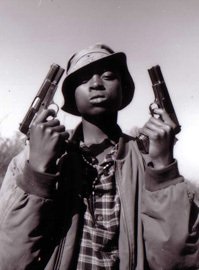
Gangster’s paradise: jerusalema - imbd
Now let’s get specific - An actor who emerged at the forefront during this period was Rapulana Seiphemo (Tau Moroka). One of his most prolific roles was as Lucky Kunene of Gangsters Paradise: Jerusalema. Here he is a petty criminal sucking society dry until he decides to organize and marshal a criminal empire directed at taking wealth out of white hands. He comes from a poor background with many relatives and children in his care. This poverty was a consequence of apartheid and the inclination to take from white people is indoctrination.
An indoctrination that was a long time in the making based on the company he was keeping throughout his criminal career and his intellect leading him in the direction of Pan-Africanist patriotism. This line of thinking may not be the leading plot in the film and may have holes in it, but it is heavily prevalent in the movie and is also a major contributing factor to the overall quality of the film.
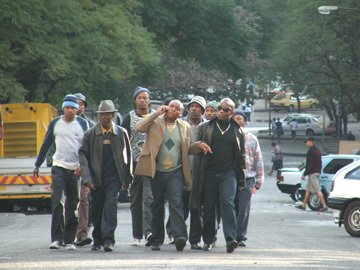
Gangster’s paradise: jerusalema - imbd
The residue of freedom from apartheid oozed into the cinema. With it came outstanding films performed by outstanding actors. Some movies support the line of thought iterated above. From Tsotsi to Hijack Stories and Sarafina, the immature freedom South Africa had was prevalent on the big screen. Was this the reason South African movies were genuinely being watched by South Africans? Actors of the era became full-fledged household names. The likes of Kenneth Nkosi, Vusi Kunene, Menzi Ngubane, and Themba Ndaba became icons of South African cinema and household names because of the extent to which South Africans were watching South African movies. What was the reason for this? I could again hypothesize that it was based on the air and atmosphere of the period, but is this truly the reason? or were the stories just told better back then? Was the acting better? Did writers merely have better ideas back then? Or was it the lack of Netflix, Showmax, and Amazon Plus?
According to memeburn.com the 24 movies released last year accumulated 24 million. Comparatively speaking, Despicable Me 3 made 46 million in South African cinema on its own. Fast and Furious 8 made 72 million. These statistics make it clear that South Africans are not watching South African movies and films. A fundamental reason for this status quo is the fact that South African movies and films are not shown in as many cinemas. The number of screens on which a movie is played is decided by distributors and buyers. When the filming of a movie is complete, the producers of the movie sell or lease the films to distributors who then work in tandem with buyers such as Nu Metro and Sterkenikor to decide how many prints of the movie to sell.
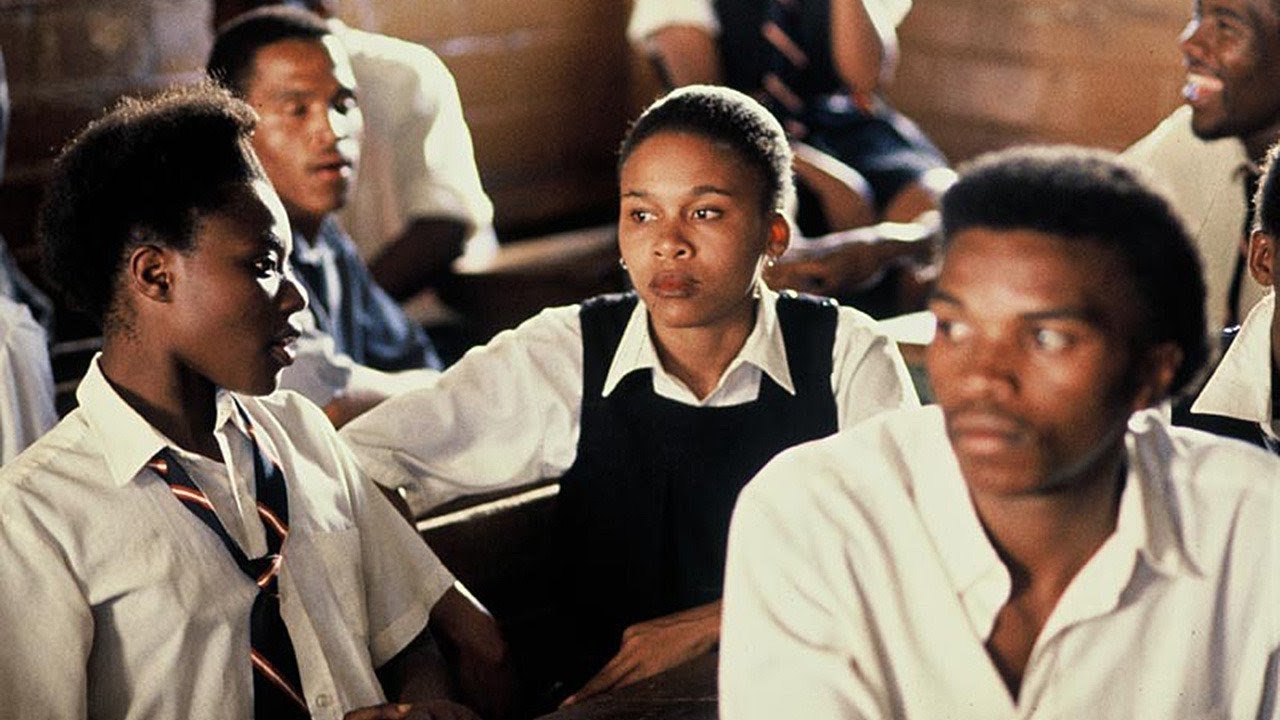
sarafina! (1992) - photo gallery - imbd
Another contributing factor to the lack of viewership in terms of South African films is the lack of budget for filmmakers. For a while, South African actors have been subjugated to slapstick comedy roles in movies such as Paradise Stop and anything by Leon Schuster. This is because making movies like this is affordable. South African minds probably do have Tarantino-level plots but funding for such endeavours is problematic.
Related Articles:
Featured
 9 Feb 2023Why are South Africans not watching South African movies? It cannot be denied that South Africa has brought forth several amazing films and productions. From Tsotsi to Jerusalema, South African films have shook the big screen and have been engraved in our minds. With that being said, why is it that we are not watching South African films and movies anymore?Read more →
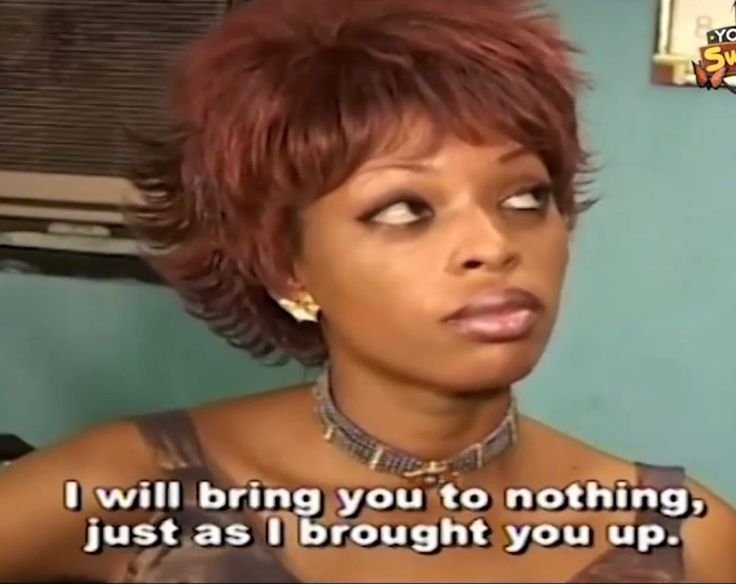 8 Feb 2023Nollywood: An Unexpected Cultural PhenomenonWhether we have paid conscious attention to it or not, Nollywood cinema and its influence on popular culture in the current digital age has been a long-in-the-works phenomenon, which has only very recently received its global due diligence.Read more →
 7 Feb 2023We have never been closer: The Importance of Film Festivals in South AfricaOnce a month, Marvel fans and Twilight fans gather on Twitter to reiterate the impact of watching the Avengers assemble against Thanos and the Cullens face off against the Volturi respectively, live in the theatre. Although the age of streaming has long taken over, we are still a generation that craves to make a connection with what they consume beyond watching.Read more →
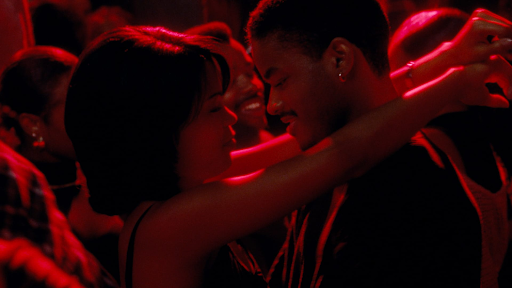 20 Oct 2022Love Jones: A Pioneer In Cinematic Representations of the Black ExperienceBlack cinema has historically been oversaturated with depictions of struggle and suffering, and although I can recognise the importance of such representations, I find portrayals of blackness wherein black people occupy typically white spaces, through depictions of the ordinary, to be a more powerful resistance to the restrictions of white cinema.Read more →
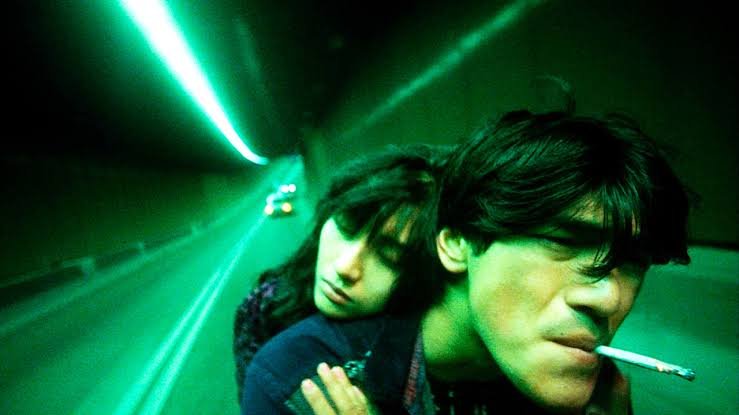 18 Oct 2022LONELINESS IN THE BIG CITY: THE BRILLIANCE OF WONG KAR WAI FILMSWong Kar-wai is a Hong Kong film director, screenwriter and producer who is often lauded as one of the greatest filmmakers of all time for his atmospheric and non-linear narrative films. But what separates his work from the rest of the artsy films that have beautiful images of sunsets but lackluster stories? The pure and raw emotion. Read more →
 1 Sept 2022The African Film Industry Is Not DeadOVER RECENT YEARS, FILMS IN AFRICA, ESPECIALLY IN THE SOUTH AFRICAN FILM MARKET, HAVE BEEN DISCREDITED AS A CONSEQUENCE OF THEIR ATTEMPTS TO MIMIC TRIED AND TRUE HOLLYWOOD FILM TECHNIQUES, INSTEAD OF DEPICTING STORIES UNIQUE TO THE AFRICAN LANDSCAPE. I HAVE, HOWEVER, RECENTLY COME TO UNCOVER A GOLDMINE OF INDEPENDENT AND CINEMATICALLY IMPRESSIVE, UNIQUE AFRICAN FILMS IN A SPACE THAT I WOULD HAVE LEAST EXPECTED TO.Read more →
 23 Aug 2022The death of slapstick comedy The Slapstick comedy genre arose alongside the growing silent-film industry of early Hollywood, with Chaplin-esque films garnering great popularity. Yet, despite the genre continuing to be reproduced over the decades, its relevance and reach have slowly fizzled out.Read more →
 10 May 2022Profit over Passion: Hollywood’s Lazy Obsession With Film And Series RebootsBY-LINE: HOLLYWOOD’S TROUBLING OBSESSION WITH REMAKING BELOVED FILMS AND SERIES IN OFTEN LESS-THAN-IMPRESSIVE WAYS BRINGS TO QUESTION THE TRUE INTENTIONS OF MAJOR FILM PRODUCTION COMPANIES WHO TREAD THE LINE BETWEEN PRODUCING BASED ON ARTISTIC INTEGRITY, OR FOR A QUICK PAYDAY.Read more →
 6 Apr 2022Why is character development is worth writing about?Countering The Argument That The Quality Of Music Has Deteriorated In The Modern EraRead more →