
Postmodernism: The interpretation of culture to give meaning to reality
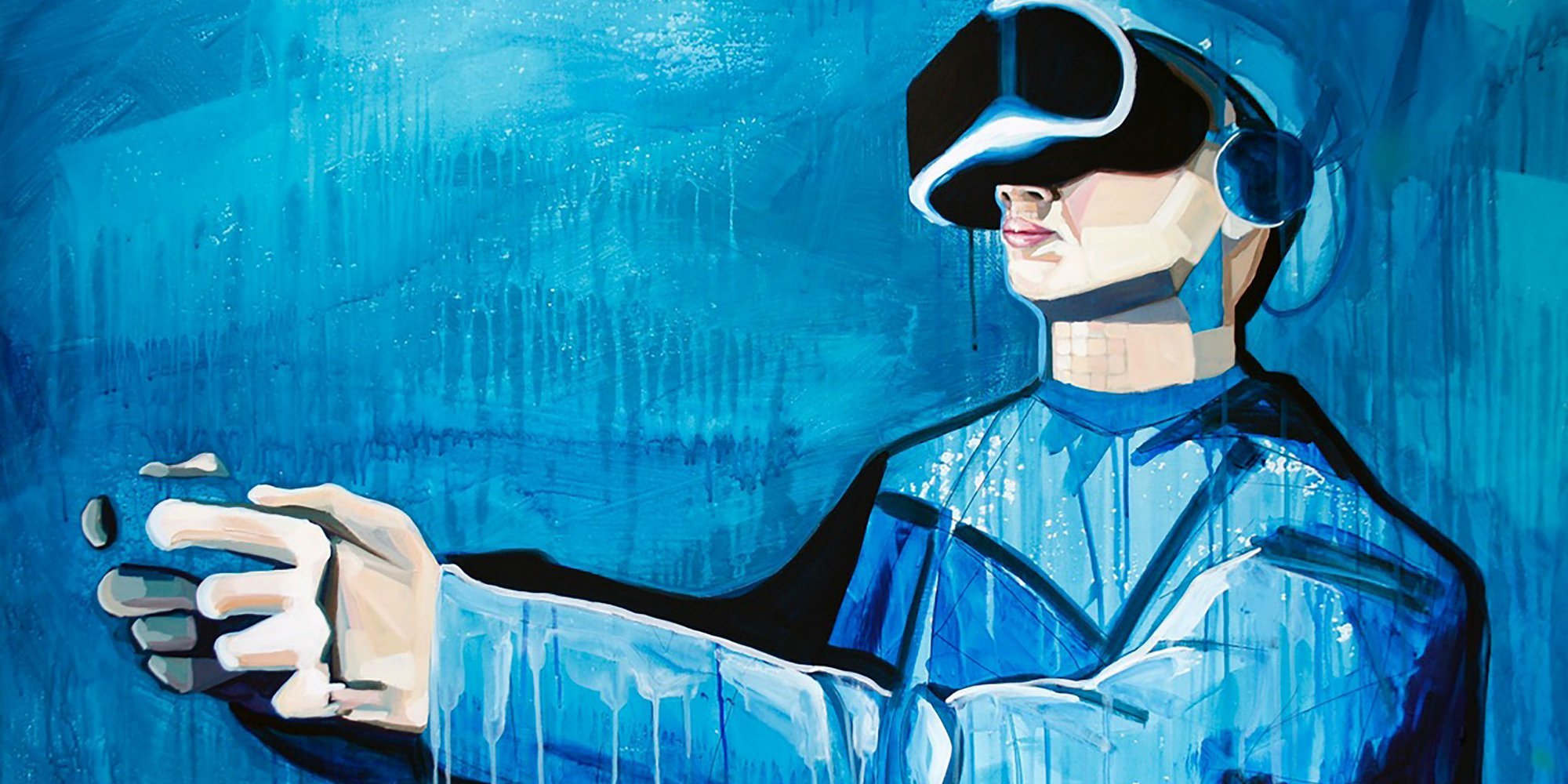
Postmodernism is the current status quo. It is everything around us. It is a broad term coined in the late 20th century across various disciplines.
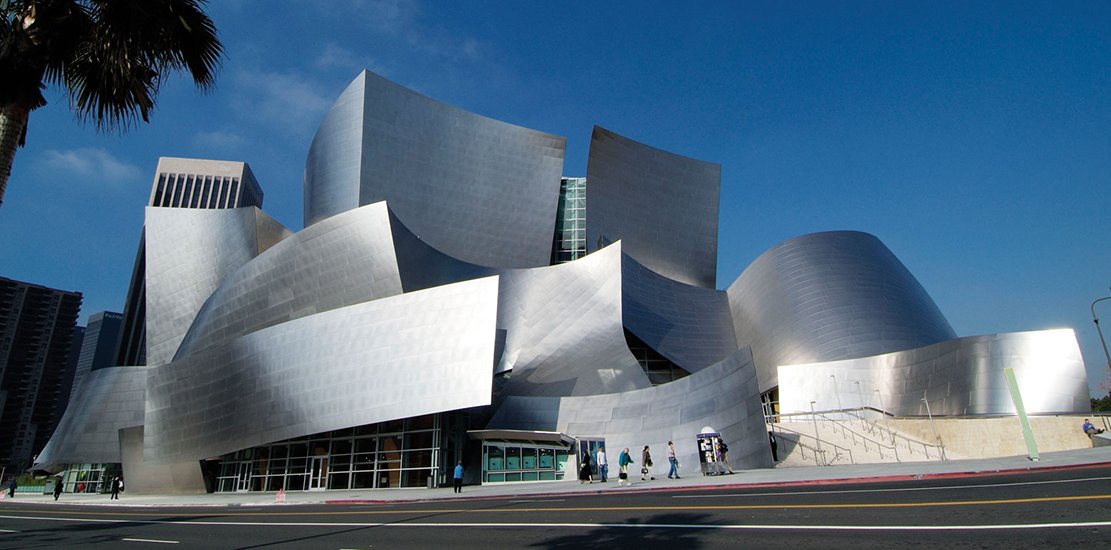
From architecture to art and technology, postmodernism illustrated a departure from modernism and the inception of a state of culture where media is produced at such staggering rates that it has crossed boundaries into reality, thereby perpetuating hyperreality.
Hyperreality refers to the condition of being unable to distinguish and differentiate between reality and simulations thereof. This is exemplified more intensively by social media. At the genesis of the 21st century, hyperreality was perpetuated primarily by basic modern media. TV, magazines and movies were the primary advocates of hyperreality. Unrealistic standards of existence were illustrated through these forms of media. In today’s atmosphere, the primary advocate of hyperreality is social media. It heavily blurs the lines separating reality and simulations portraying reality. 58,4% of the world’s population is active on social media. This implies that the advancement of hyperreality is perceived by over half of the world’s population. No wonder we hate ourselves so bad.
In order to get a proper grasp on postmodernism and its relation to culture in terms of giving meaning to reality, it is necessary to have an understanding of pre-modern culture and modernism.
Pre-modern culture had no genuine media such as tv and social media. There was however art, music, and theatre. These disciplines were referred to as high art and included painters, sculptors and writers who made observations of the world in order to make representations guided by their observations. Consequently, pre-modern culture is heavily characterised by religion. Christianity drove art, music, and architecture. It furthermore acted as a compass to determine what was considered wrong, or right and acted as a guide of how people should interact. Jean Baudrillard referred to this grand narrative as an overarching ideology applied to reality through culture. This overarching ideology was primarily religious because such was the cultural atmosphere of the era.

Modernism on the other hand perpetuated the rapid advancement of mass image production through photography, film, and printing. This rapid advancement significantly altered the face of culture. In contrast to pre-modern culture, representations of reality such as images and photos looked a lot more realistic in modern culture as opposed to canvas portrayals of the pre-modern age. The representations enhance the believability of the message being conveyed. Jean Baudrillard referred to these representations as simulations. They simulate reality but are not real. The simulations ended up advancing consumerism, communism, capitalism, science, and technology. In the modern era, the face of culture changed from being religion oriented to having a far more progressive, technological, and scientific face. Modernism rejects pre-modernism through mass production, technological advancement and logic trumping religion via the furtherance of science.

As mentioned earlier, postmodernism is everything around us. In fact, the biggest by product of postmodernism is in your pocket.

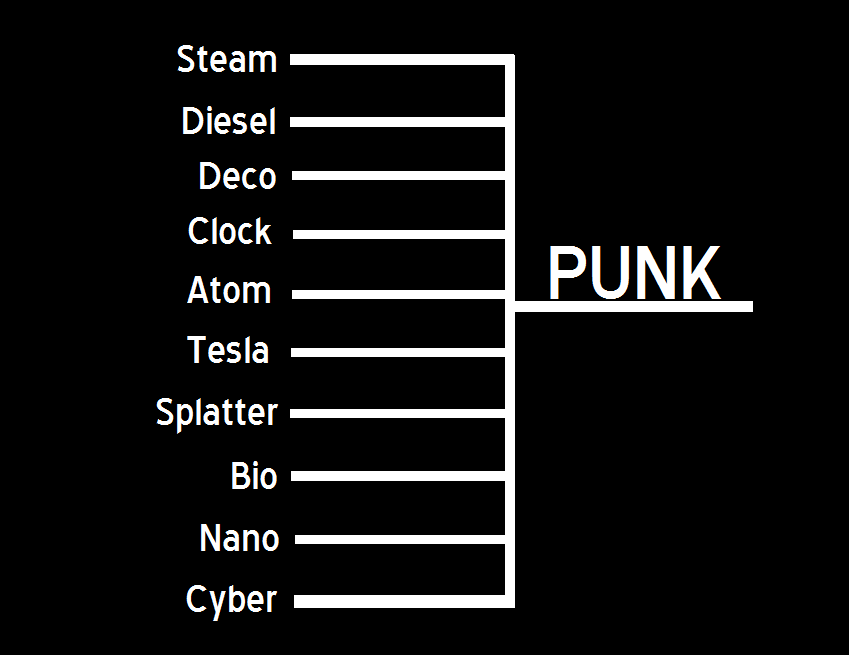
Smartphones are an extremely accurate illustration of postmodernism. Every piece of knowledge you could ever intend to attain is accessible quite literally in your pocket. Got to love the postmodern era. The videos we watch on YouTube, the ads we see in our daily lives, the magazines we read (printed or digital), every meme, every Instagram post, every tiktok forms part of postmodernism and are just as real in our lives as the trees and buildings around us. This is the extent of hyperreality in the modern era. Three observations of culture can be made in the modern era, according to Jean Baudrillard. The first is that culture is a product of culture. Our reality, to some extent, is made up of cultural representations everywhere which results in the creation of new cultures being birthed in the form of cultural products being rooted in pre-existing culture. Culture is not as original and monotonous as it was in the pre-modern era due to the existence of media which perpetuates hyperreality and proliferates culture. Take the whole punk culture for example. It began as a music genre originating in the 70s, the beginning of the exodus from the modern era. This culture on its own sprouted subcultures such as cyber-punks, nano-punks, and post-cyber punks. Culture is a product of culture.
The second observation is that postmodernism advocates hyperreality. Hyperreality refers to the condition of being unable to distinguish and differentiate between reality and simulations thereof. This is exemplified more intensively by social media. At the genesis of the 21st century, hyperreality was perpetuated primarily by basic modern media. TV, magazines and movies were the primary advocates of hyperreality. Unrealistic standards of existence were illustrated through these forms of media. In today’s atmosphere, the primary advocate of hyperreality is social media. It heavily blurs the lines separating reality and simulations portraying reality.
The third observation is the prevalence of meaning implosion. Meaning implosion refers to the escalation of sources of media and information. From pseudo journalists on Facebook and Instagram to counterfeit political analysts, critics, and hermits of misinformation on twitter. This amplification of sources of media and information has dismantled the integrity of any information. The questionability of news has reached an all-time high and publication of fake news has become the norm. Such is the extent of hyperreality in the era of postmodernity.

This is Jean Baudrillard
Related articles:
Featured
 20 Oct 2022I Thought We Said #ACAB: The Purpose of PolicingIn 2000, a Special Assignment program was aired that exposed the vicious dog training techniques used by the North East Rand dog unit.In the program we are shown a video captured by the officers themselves, one that the dog unit took so much pride in that they would screen the footage for their fellow policemen and friends at a braai. The footage itself is from 1998 and portrays 6 policemen who wanted to train 2 young police dogs to be vicious and aggressive. 2 older dogs were to be used to teach the new dogs how to attack and bring down a human target. Those human targets were 3 immigrants that had been picked up, without any charges, for the sole purpose of this dog trainingRead more →
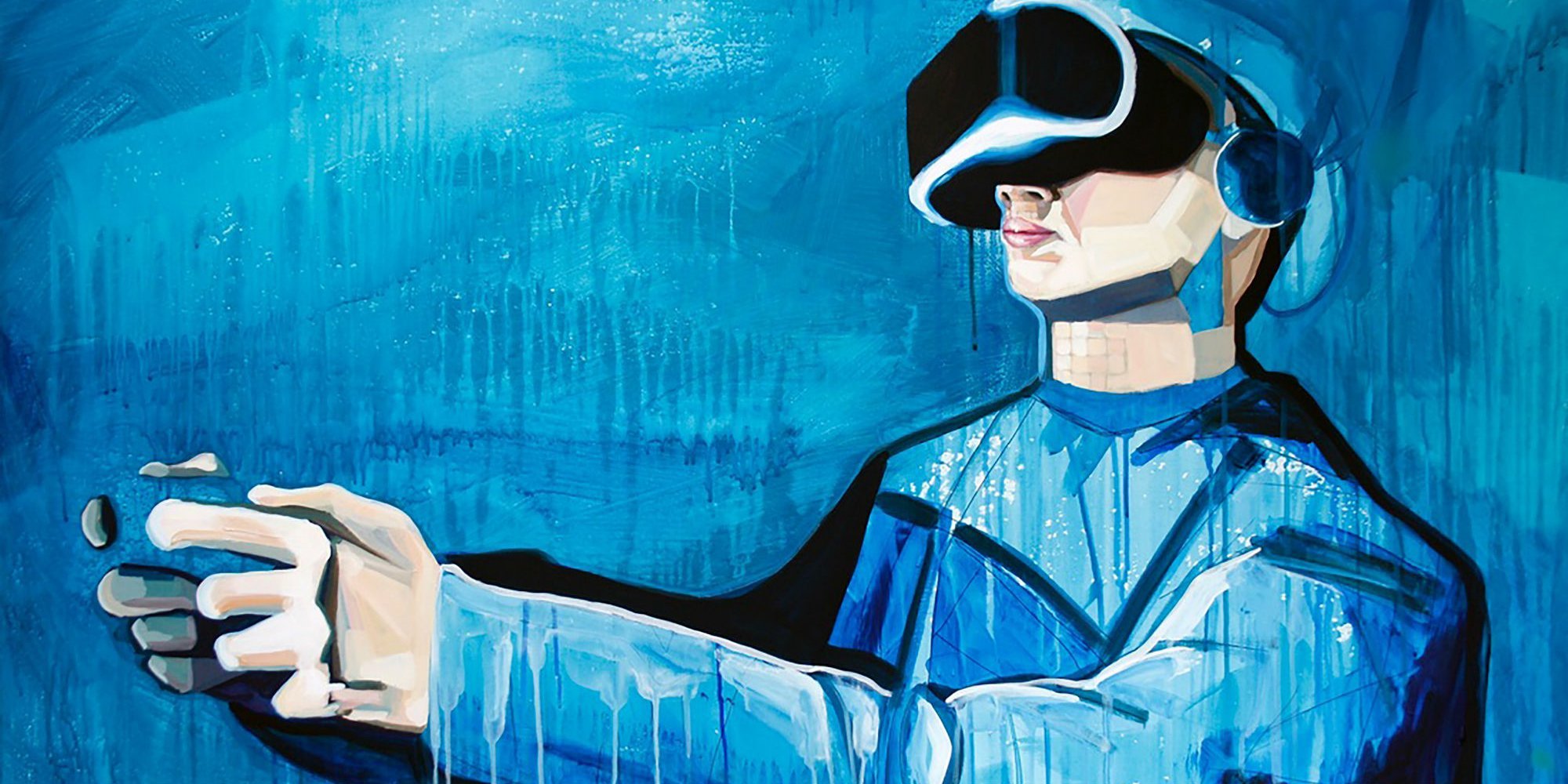 20 Oct 2022Postmodernism: The interpretation of culture to give meaning to realityHyperreality refers to the condition of being unable to distinguish and differentiate between reality and simulations thereof. This is exemplified more intensively by social media. At the genesis of the 21st century, hyperreality was perpetuated primarily by basic modern media. TVs, magazines and movies were the primary advocates of hyperreality. Unrealistic standards of existence were illustrated through these forms of media. In today’s atmosphere, the primary advocate of hyperreality is social media. It heavily blurs the lines separating reality and simulations portraying reality. 58,4% of the world’s population is active on social media. This implies that the advancement of hyperreality is perceived by over half of the world’s population. No wonder we hate ourselves so bad.Read more →
 29 Sept 2022CAN AI BE INTEGRATED INTO TRADITIONAL ARTISTIC MEDIUMS?The recent developments around AI generated imagery/artwork has brought up a lot of discussion around how it can be integrated into the current artistic ecosystem and what that could mean for artists.Read more →
 20 Sept 2022The Line: between smoke and mirrorsA city: 170km long, 200 metres wide, completely encased in mirrors and built in the Saudi desert. Although it may seem like the description of a fictional post-apocalyptic city, the plan is real and the vision of His Royal Highness Saudi Crown Prince Mohammed bin Salman.Read more →
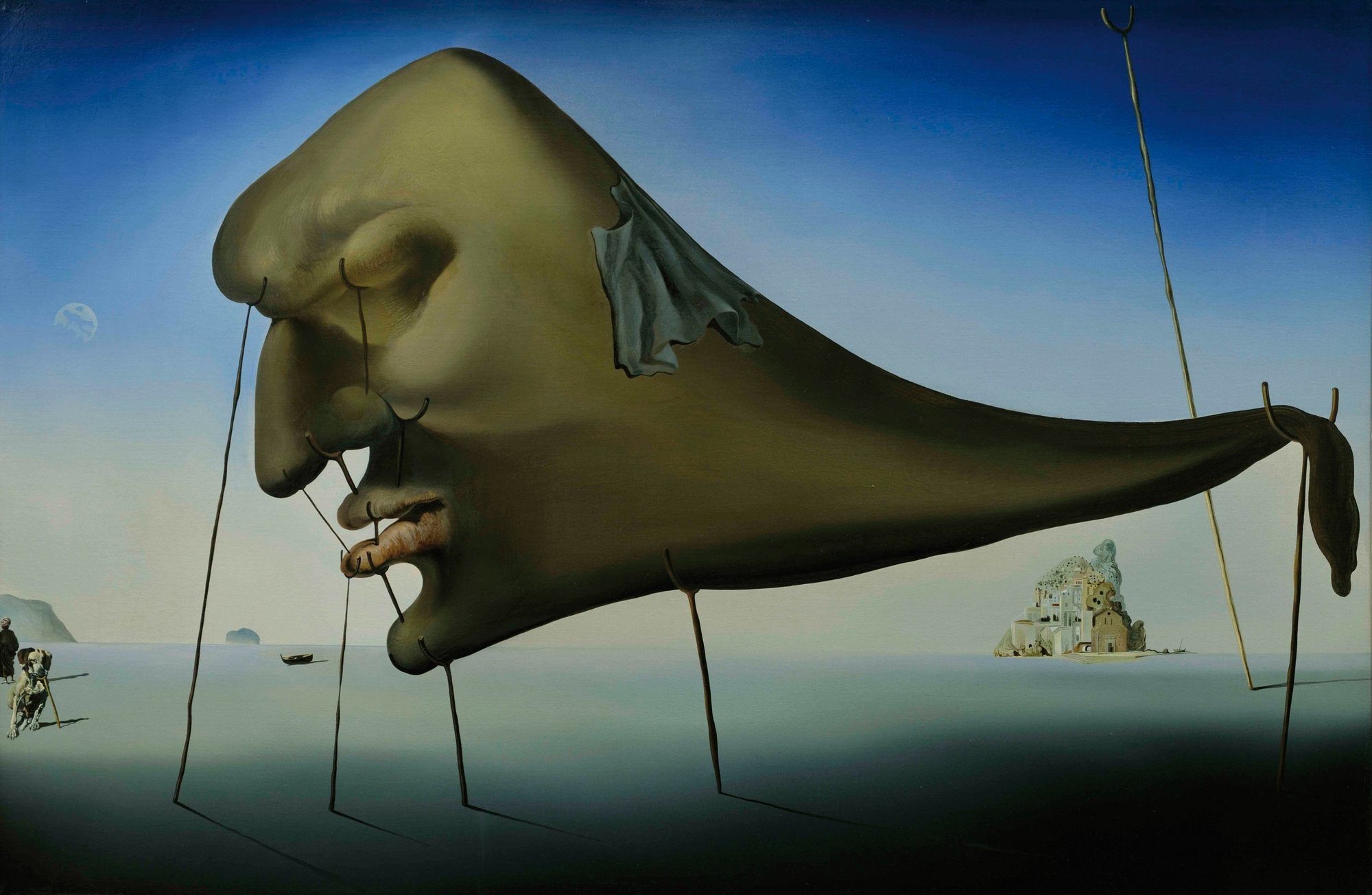 30 Aug 2022DREAMING AS A CREATIVE FOUNDATIONIn the 21st Century, the majority of the creative projects being released are generated by looking at pre-existing work and previous ideologies. I think that the process of finding original ideas by simply looking inwards is a concept that could be explored further.Read more →
 25 Aug 2022Is attraction the only true sexual orientation?GENDERFLUIDITY HAS BECOME A CHARACTERISTIC ASPECT OF SEXUALITY AS WE KNOW IT. RETROSPECTIVE VIEWS AND PRINCIPLES ON GENDER ROLES AND SEXUALITY ARE SLOWLY PHASING OUT. “BOYS DON’T CRY” AND “GIRLS LIKE PRINCESSES” ARE STATEMENTS THAT CAN GARNER A LOT OF BACKLASH TODAY.Read more →
 16 Aug 2022Gen-z vs. Accusations of narcissism: Is our generation self-obsessed or in fact, passionately empathetic?For generation to generation, a peculiar period during which the preceding generation dissects and often ridicules the choices and ideals of the succeeding generation, and vice versa, has come to be expected.Read more →
 21 Apr 2022“Everything you see, I owe to Spaghetti!”Picture this: you’re hungry, You’ve been busy all day and haven’t had the chance to eat. as you finally step foot into your house after all your stress, there’s a hot, freshly made bowl of spaghetti waiting for you. When one is hungry like that and presented with food, there is a brief moment of such profound, primal relief. Satisfaction, nutrition and pleasure! All because of a delicious bowl of pasta presented at just the right time.Read more →
 7 Apr 2022IF LIFE WAS A VIDEOGAME, FAMOUS PEOPLE WOULD BE PLAYER 1'S AND THE REST OF US, JUST NON-PLAYABLE CHARACTERS.Thing is, if you're famous, you're more likely to make money—that's just the fact of the matter. but now for the modern times we're living in, this reality starts to stretch and there's this exclusive batch of jobs that you can't really get unless you're famous.Read more →
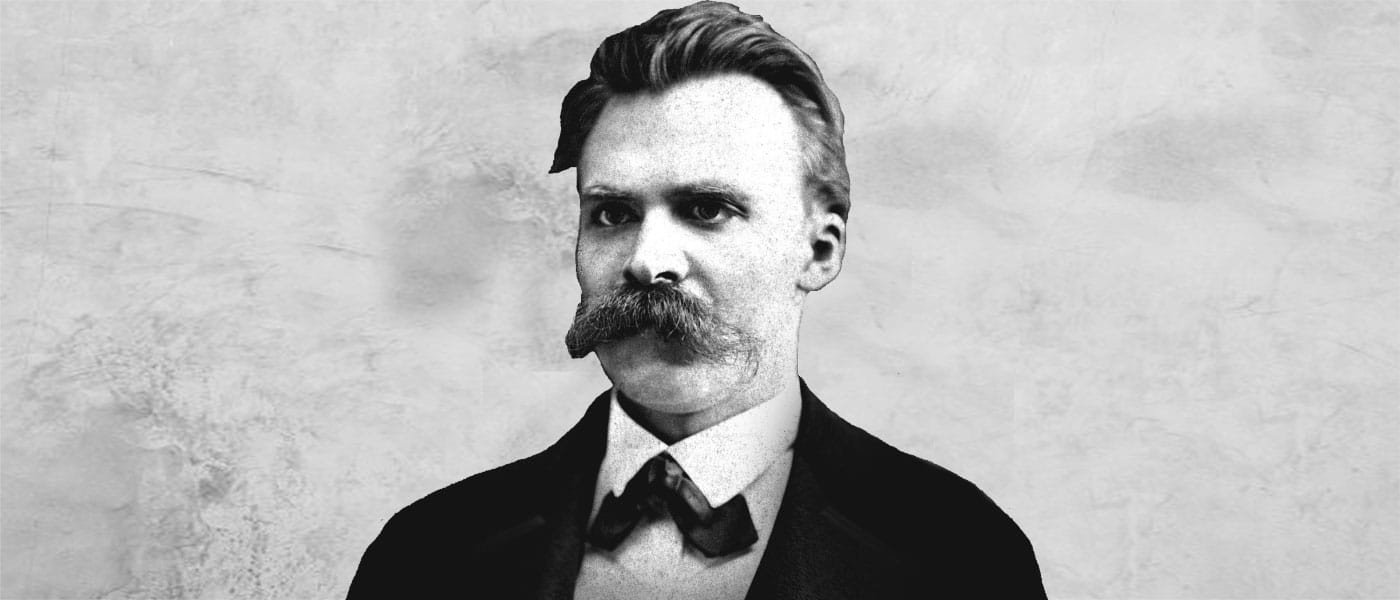 5 Apr 2022Are we the Last Men? : a brief look into the predictions of Fredrich Nietzsche.THE SUPERMAN IS THE ULTIMATE PERSON, SOMEONE WHO HAS TRANSCENDED THE PREJUDICES AND RESTRICTIONS OF THEIR SOCIETY AND CREATED THEIR OWN VALUES AND BELIEFS. THEY ARE CREATIVE, DISCONTENT, FLEXIBLE, SELF-CONFIDENT, CHEERFUL AND COURAGEOUS. THEY DEFY NIHILISM BY FINDING MEANING AND PURPOSE ON EARTHRead more →